Read Time: 4 Minutes
EPISODE 01
India's expanding automotive manufacturing base, growing commercial vehicle market and ambitious infrastructure investments are creating the foundations of a more influential mobility economy. The challenge now is to transform industrial scale into long-term competitiveness across global markets.
A NEW INDUSTRIAL MOMENTUM
India's mobility story is entering a defining phase.
For decades, the country was viewed primarily as one of the world's largest automotive markets. Today, it is increasingly recognised as something more: a manufacturing powerhouse, a strategic sourcing destination and a growing contributor to global mobility supply chains.
The scale is impressive. In FY2025-26, India produced approximately 34.71 million vehicles across passenger cars, commercial vehicles, two-wheelers and three-wheelers. Domestic commercial vehicle sales reached a record 1.08 million units, while the automotive sector supports an estimated 30 million direct and indirect jobs and contributes around 15 per cent of national GST collections.
Yet industrial influence is not measured by volume alone. The next stage of growth will depend on India's ability to connect manufacturing, engineering, logistics and innovation into a more competitive mobility ecosystem.
MANUFACTURING: MOVING UP THE VALUE CHAIN
India's automotive industry extends far beyond vehicle assembly.
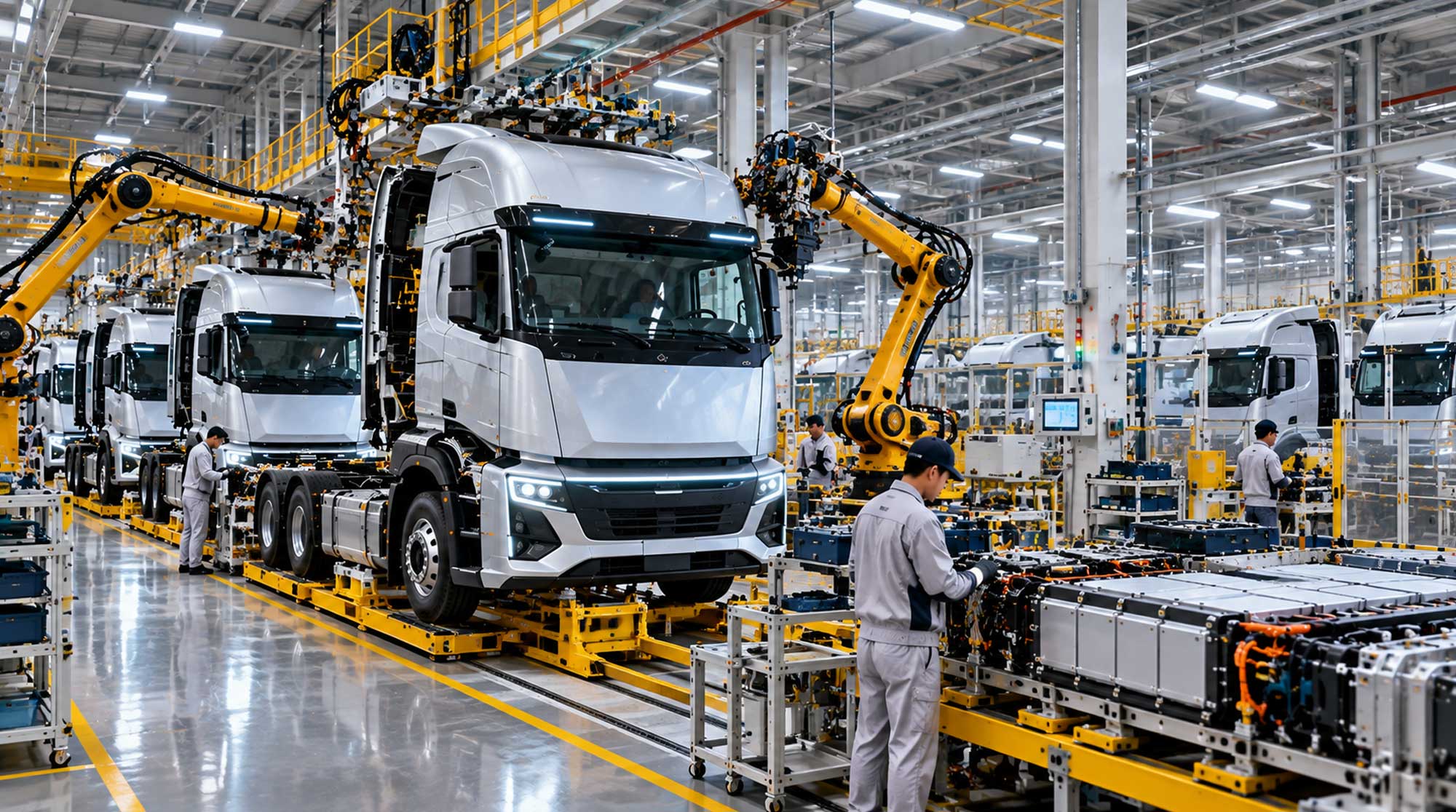
Over the past decade, the country has developed a vast component manufacturing network spanning engines, transmissions, braking systems, batteries, electronics, tyres and specialised automotive technologies.
This ecosystem generated a turnover of ₹7.59 lakh crore (US$85.9 billion) in FY2025-26, while exports reached US$24 billion and the domestic aftermarket expanded to US$12.3 billion. However, the figures also reveal an important challenge. Automotive component imports stood at US$25.4 billion, exceeding exports and highlighting continued reliance on overseas suppliers for certain advanced technologies.
The opportunity ahead lies not simply in producing more components, but in creating higher-value products through localisation, precision engineering, automation and research-led innovation. To strengthen its position in global supply chains, India must increasingly compete on capability as well as cost.
COMMERCIAL MOBILITY: THE ECONOMIC WORKHORSE
Few sectors illustrate India's economic transformation more clearly than commercial mobility.
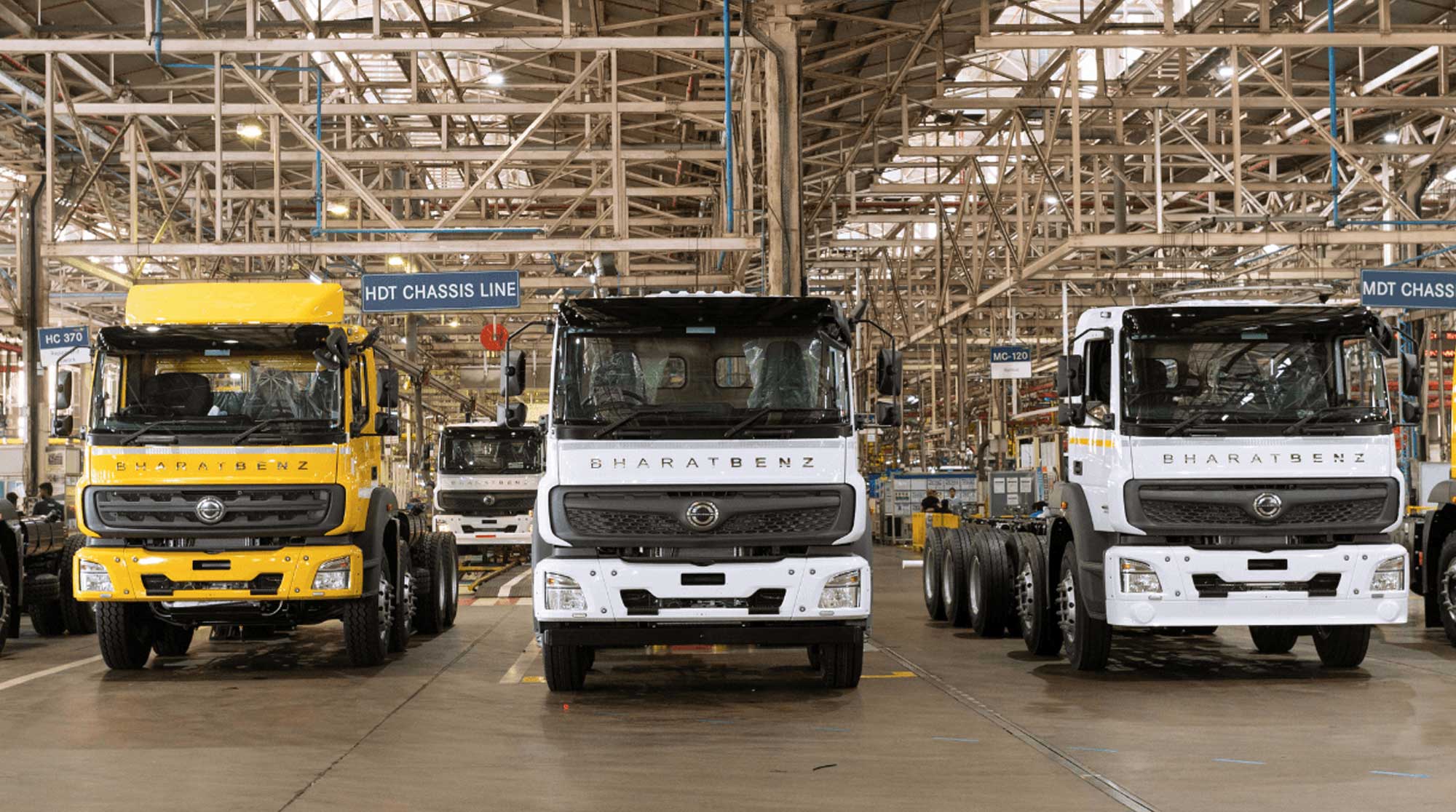
Trucks, buses and light commercial vehicles form the backbone of a rapidly expanding economy, linking factories, farms, warehouses, ports and consumers across a vast geography. Record commercial vehicle sales of 1.08 million units reflect growing demand driven by industrial activity, infrastructure development, construction and e-commerce.
But the real opportunity extends beyond vehicle sales. Fleet operators are placing greater emphasis on fuel efficiency, uptime, predictive maintenance and connected vehicle technologies. At the same time, the expanding aftermarket is creating demand for reliable replacement parts, technical support and service networks.
For manufacturers and suppliers, India is increasingly becoming both a major domestic market and a potential export platform for other emerging economies.
INFRASTRUCTURE: CONNECTING GROWTH
Manufacturing strength ultimately depends on how efficiently goods move.
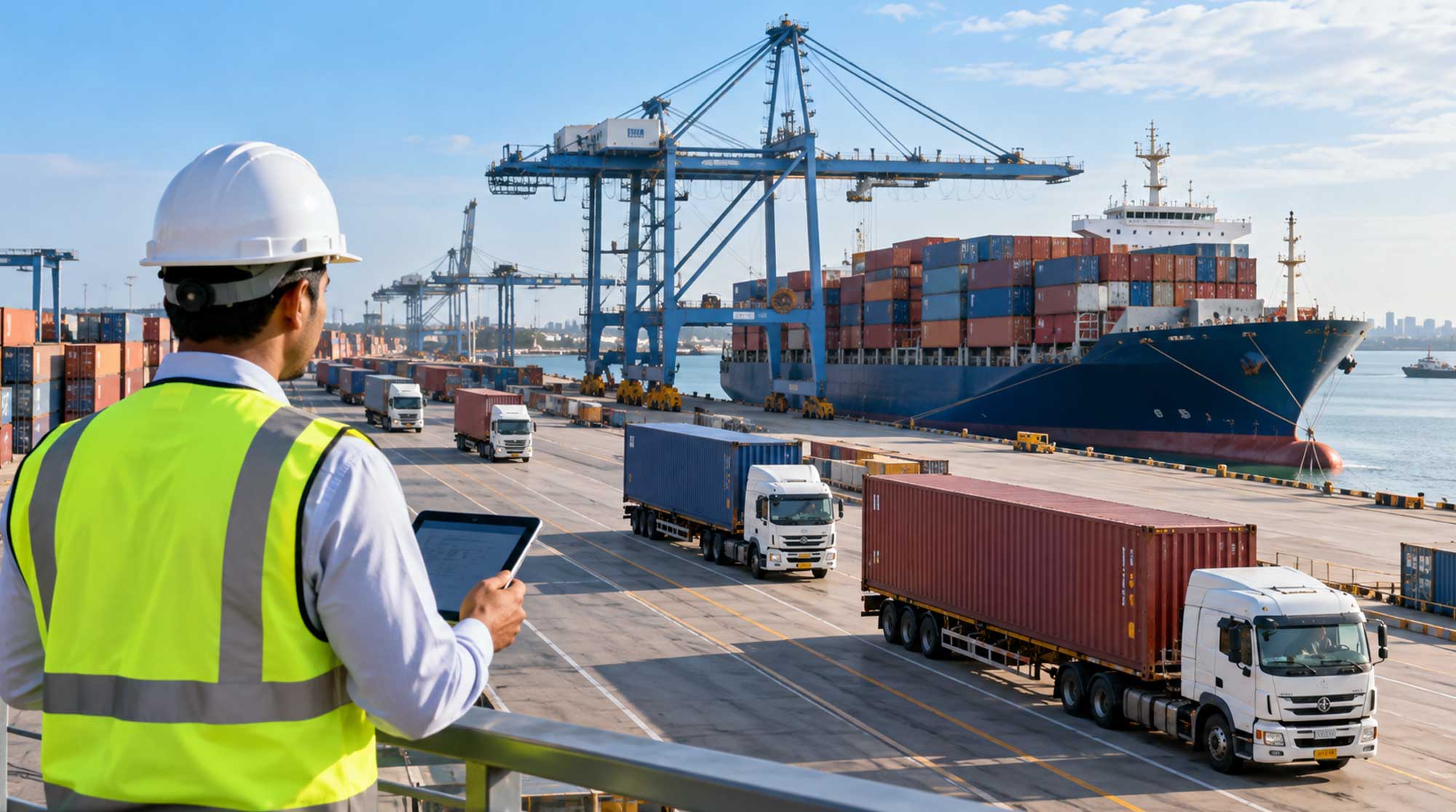
Recognising this, India has invested heavily in transport infrastructure. By December 2025, the national highway network had expanded to approximately 146,560 kilometres, significantly improving connectivity between industrial clusters, logistics hubs and consumption centres. Rail freight is undergoing a similar transformation. Indian Railways handled a record 1.67 billion tonnes of freight in FY2025-26, while the commissioning of the Eastern and Western Dedicated Freight Corridors has enhanced capacity and improved network efficiency.
The next challenge is integration. Initiatives such as the PM Gati Shakti National Master Plan and the National Logistics Policy seek to connect roads, railways, ports, airports and digital logistics systems into a more coordinated transport network.
The stakes are considerable. India's logistics costs remain significant, estimated at 7.97 per cent of GDP in FY2023-24. Reducing that burden could improve competitiveness across manufacturing, trade and mobility.
THE NEXT INDUSTRIAL FRONTIER
India's industrial foundation is already substantial. The question is how it converts that strength into enduring global influence.
Three priorities will shape the next phase:
- Technology Localisation – Building greater domestic capability in advanced electronics, semiconductors, powertrain systems and specialised automotive components.
- Manufacturing Excellence – Improving productivity, automation, quality standards and precision engineering across the value chain.
- Logistics Competitiveness – Creating more integrated transport networks, lower freight costs and stronger supply-chain performance.
Success in these areas could strengthen India's position not only at home but across Africa, the Middle East and South-East Asia, where demand continues to grow for durable, affordable and serviceable mobility solutions.
BY THE NUMBERS
Vehicle production (FY2025-26)
34.71 million
Commercial vehicles sold
1.08 million
Automotive component turnover
US$85.9 billion
Domestic aftermarket
US$12.3 billion
National highway network
146,560 km
Rail freight handled
1.67 billion tonnes
Sources: SIAM, ACMA, Ministry of Road Transport and Highways, and Ministry of Railways.
WHY THIS MATTERS
India's industrial rise carries implications far beyond its borders.
For vehicle manufacturers, it offers production scale and market demand. For component suppliers, it creates opportunities in sourcing, manufacturing partnerships and aftermarket expansion. For logistics operators, improving infrastructure promises greater efficiency and new commercial possibilities.
The opportunity is not simply to manufacture more. It is to manufacture better, move goods more efficiently and build a reputation as a trusted partner within global mobility supply chains.
emBRWace PERSPECTIVE
India's greatest mobility asset is no longer its market size alone. It is the growing convergence of manufacturing capability, commercial transport demand and infrastructure investment.
The country's industrial foundations are becoming increasingly difficult to ignore. Yet global influence will depend on more than production volumes. The next phase will require deeper technological capability, stronger supply-chain integration and internationally competitive standards.
The opportunity is clear: to evolve from a large manufacturing base into a trusted global mobility partner.
THOUGHT TO TAKE AWAY
India's mobility future will be defined not by how much it manufactures, but by how muchthe world trusts it to supply.
NEXT READ
EPISODE 02 – THE INNOVATION FRONTIER
India's Energy Transition, Mobility Technologies and Global Ambitions
Can India's manufacturing strength evolve into technological leadership? The next episode explores the energy transition, indigenous innovation and the emerging technologies shaping India's mobility future.