Reading Time: 2 Minutes
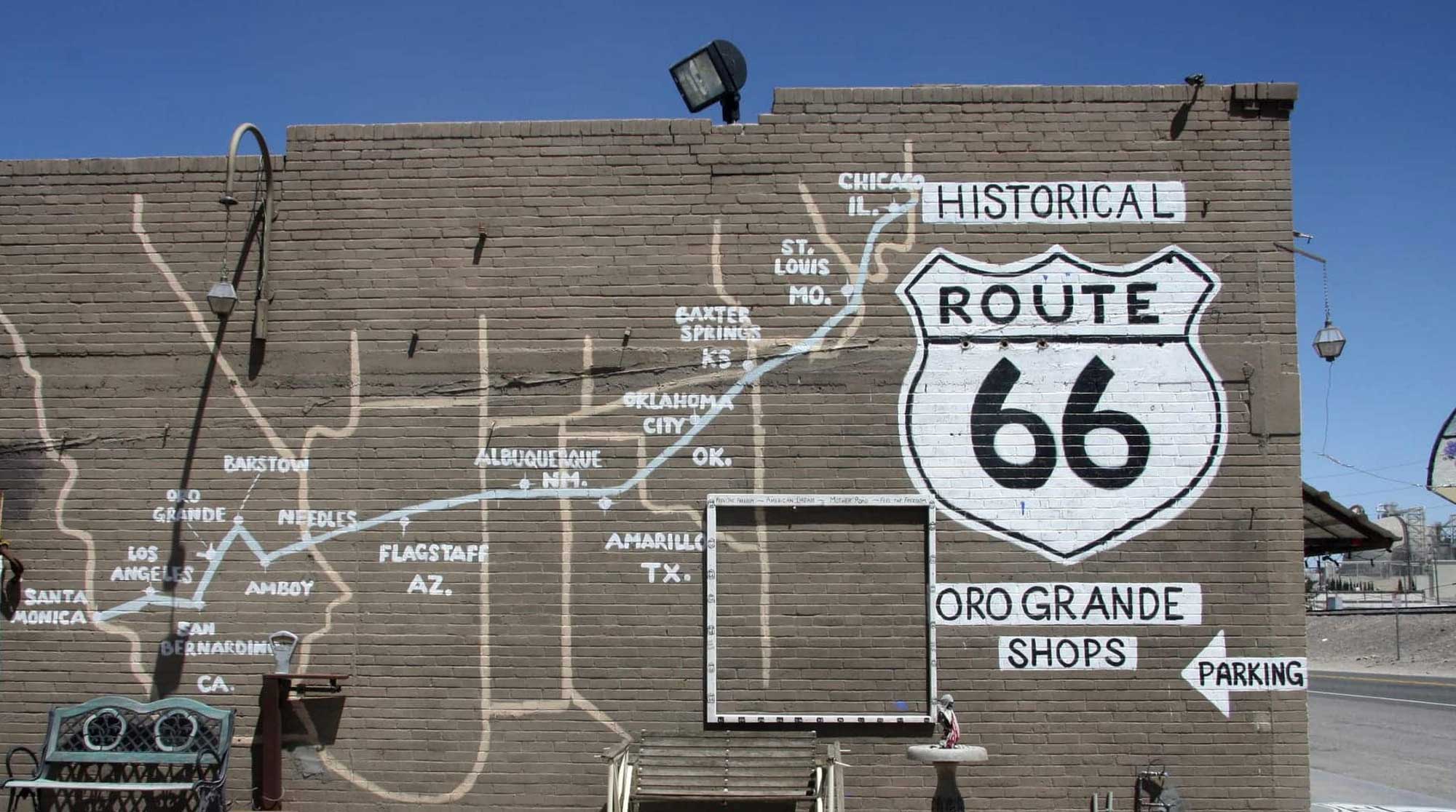
On 11 November 1926, a highway acquired a number that would become legendary. US Route 66, stretching 2,448 miles from Chicago to Los Angeles, began its journey into American history as part of the country's newly established national highway system. But Route 66 would become far more than a line on a map. It would carry farmers' produce to distant markets, connect isolated communities to economic opportunity, open new horizons for motorists and eventually become one of the most recognisable symbols of America's freedom on the road. Its story is the story of a nation discovering itself through mobility.
A Number for a National Road
Route 66 was the result of years of advocacy for a direct highway connecting the American Midwest with the Pacific coast. Among its strongest promoters were Cyrus Avery, an Oklahoma highway commissioner, and John Woodruff of Missouri. They recognised the economic potential of a route that would connect Chicago with communities across the central and southwestern United States.
Unlike many of the country's principal highways, Route 66 followed a distinctive diagonal alignment. Passing through Illinois, Missouri, a corner of Kansas, Oklahoma, Texas, New Mexico, Arizona and California, it connected numerous rural settlements that had previously lacked access to a major national road.
The route was not constructed from scratch. It brought together existing state and local roads, many of which were initially poorly surfaced or unimproved. Its federal designation gave these scattered sections a common identity and a place within the emerging national highway network.
For agricultural communities, the benefits were substantial. Farmers could move grain, livestock and other produce more efficiently towards larger markets, particularly Chicago, an important centre for commerce and redistribution. Small towns along the route gained improved access to customers, suppliers and economic opportunities beyond their immediate regions.
The Freight Corridor that Changed the Road
Route 66's diagonal alignment proved particularly valuable to the developing trucking industry. Its relatively direct connection between the Midwest and the Southwest, combined with extensive stretches of flat prairie and a more temperate climate than northern alternatives, made it attractive for commercial road transport.
By 1930, trucking was already rivalling the railway for prominence in American freight movement. Route 66 became an important part of this transition, demonstrating how an improved highway network could support the movement of goods beyond the reach and schedules of established rail services.
The growth was measurable. Between Chicago and St Louis, daily truck traffic increased from approximately 1,500 vehicles in 1931 to 7,500 a day by 1941. Around a quarter of these were large tractor-trailer combinations, illustrating the growing importance of heavy road freight.
The highway's influence extended beyond commercial transportation. It supported migration during the Great Depression, facilitated military movements during the Second World War and encouraged the growth of roadside businesses, including fuel stations, restaurants, motels and repair workshops.
Popularly known as The Main Street of America and later The Mother Road, Route 66 became deeply embedded in American culture. The Will Rogers Highway name was also adopted in his honour following his death in 1935.
Although the growth of the Interstate Highway System eventually led to Route 66 being decommissioned as a US highway in 1985, its historical significance remains considerable.