Read Time: 2 Minutes
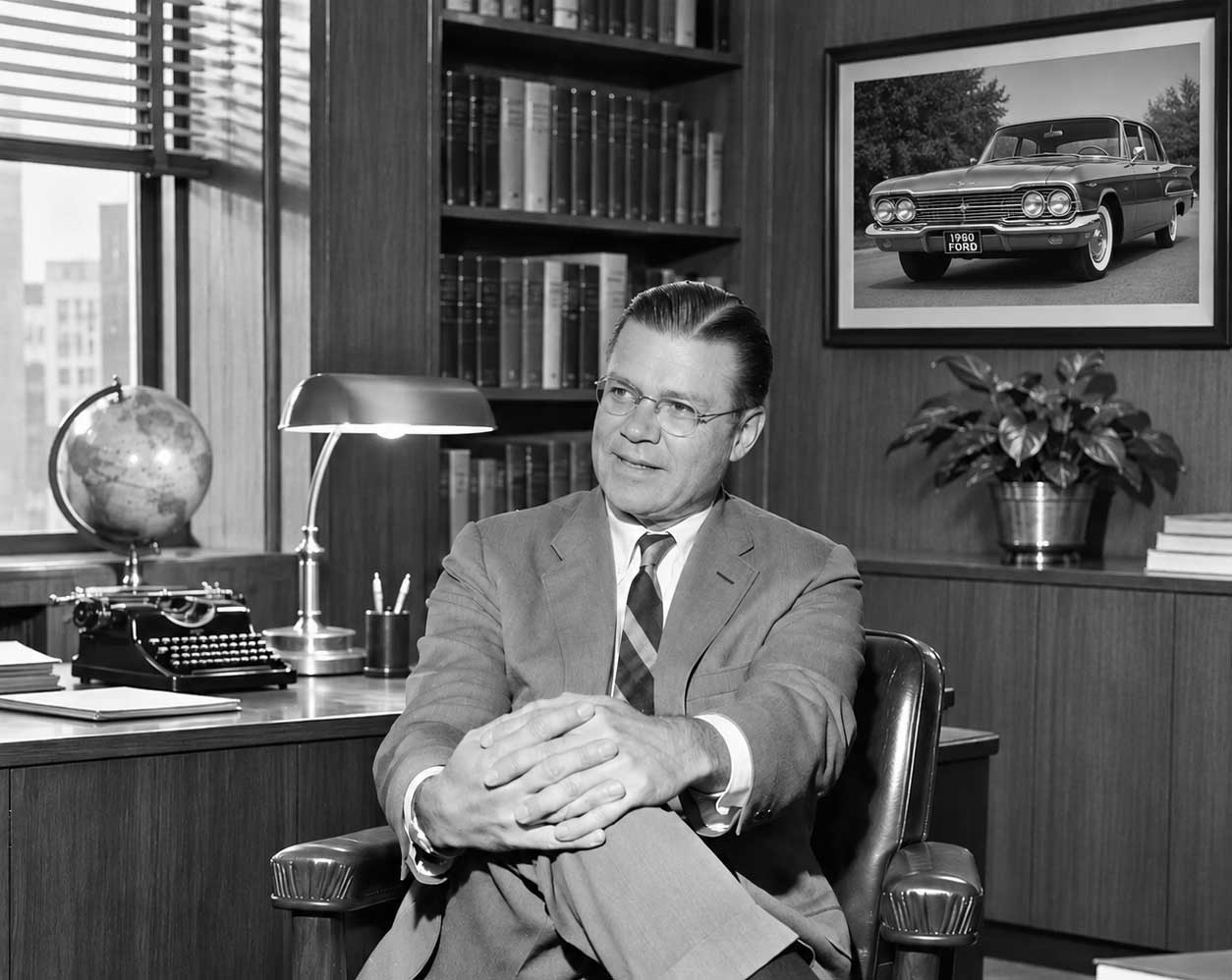
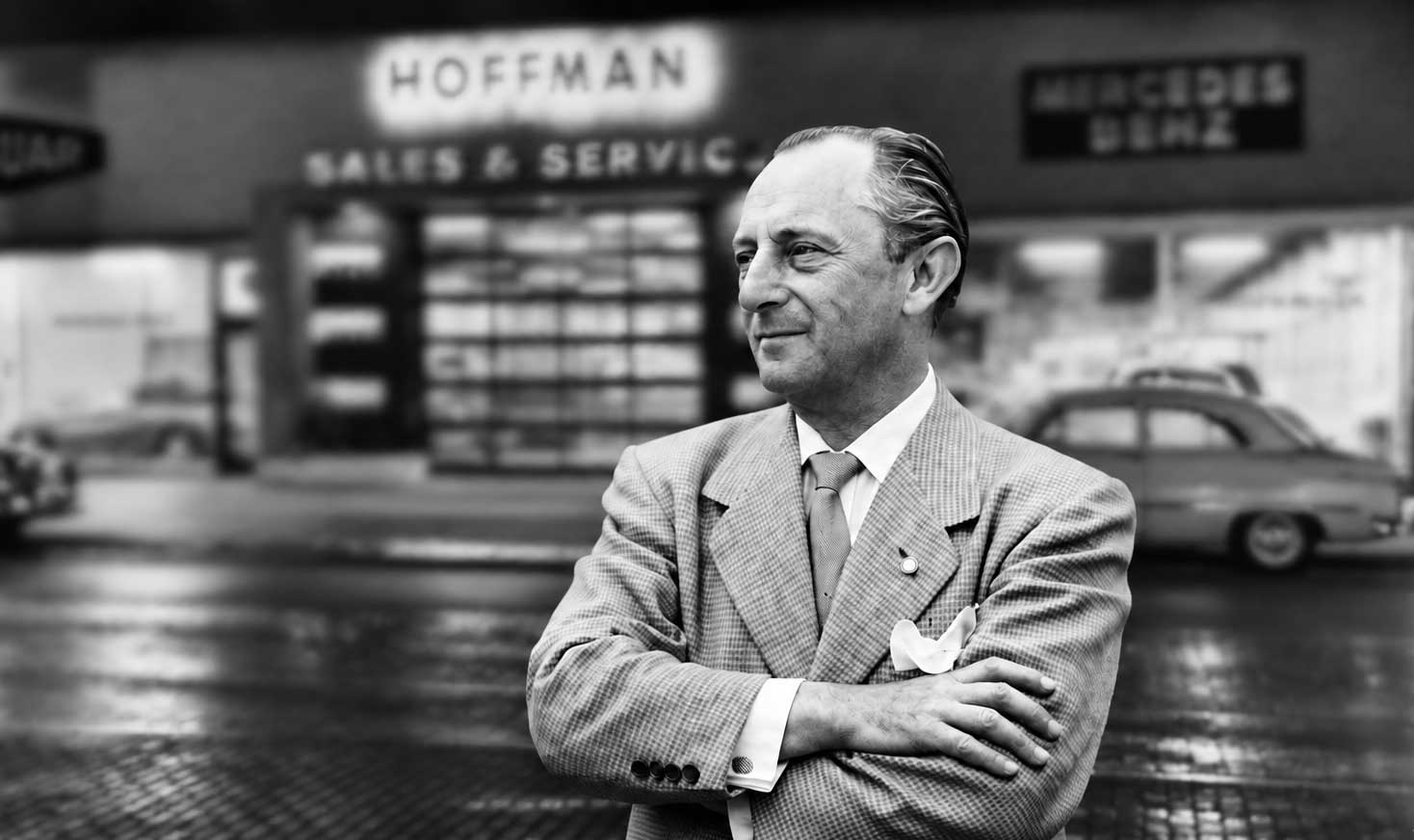
On 12 November 1904, Maximilian Edwin Hoffman was born in Vienna, Austria. Decades later, he would become one of the most influential figures in introducing European automobiles to America. More than an importer, Hoffman understood what American buyers wanted—and persuaded European manufacturers to build cars that would fulfil those desires.
The Man Who Read the Market
After establishing himself in the European automotive trade, Hoffman moved to the United States in 1941. In 1947, he opened his own showroom on New York's Park Avenue, introducing American customers to prestigious European marques.
He recognised a growing appetite for distinctive sports cars, refined engineering and individual styling. More importantly, he understood that manufacturers needed to adapt their products to this emerging market.
His influence became particularly significant at Mercedes-Benz. Hoffman persuaded the company to develop a road-going version of its successful 300 SL racing car, even committing to purchase 1,000 examples. The result was the legendary 300 SL Gullwing, unveiled in New York in 1954.
Three Icons, One Vision
Hoffman's influence extended to Porsche, where he encouraged the development of a simpler, lighter and more affordable open-top version of the 356. Introduced in 1954, the Porsche 356 Speedster became a favourite among American sports-car enthusiasts.
At BMW, he encouraged the creation of a more compelling luxury roadster for the American market and helped bring designer Albrecht Graf von Goertz into the project. The outcome was the beautiful BMW 507, now regarded as one of the marque's most celebrated designs.
Hoffman died in 1981, but his legacy lives on through these automotive icons. He was neither their engineer nor designer. His extraordinary contribution was recognising their potential before manufacturers fully understood the market waiting for them.